
What Our Print Jobs in 2025 Revealed About Bengaluru Businesses (And What To Plan For 2026)
Real lessons from a year of printing for cafés, clinics, retailers and start-ups in Bengaluru, and how to turn them into smarter print decisions in the new year.
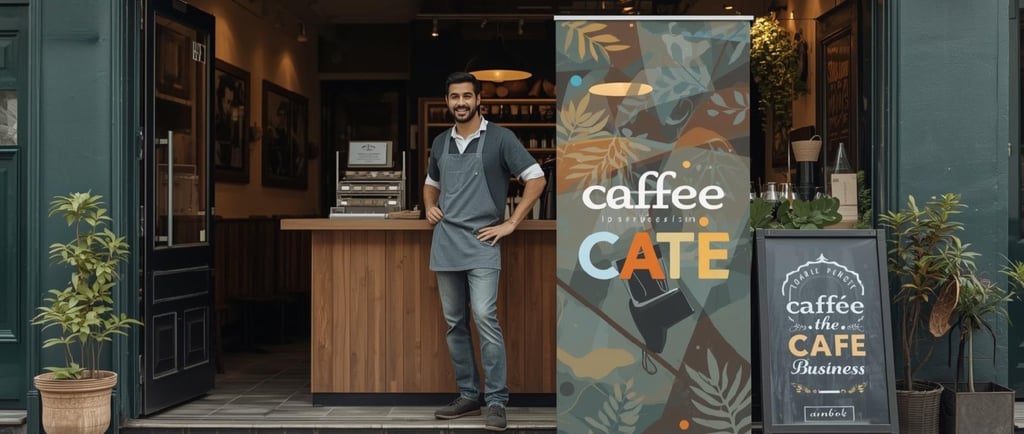
Every print job tells a story. A sudden rush of standees means event season has started. A wave of packaging stickers points to new cloud kitchens. A stack of ID cards signals a growing team. By the end of 2025, one thing is clear: Bengaluru’s businesses are using print more thoughtfully than before, but many are still missing simple opportunities.
This blog looks at common patterns seen in 2025 print orders and turns them into practical ideas you can use to plan your printing, branding and budgets better in 2026. The goal is simple: help you spend smarter on print and get more visibility, trust and repeat customers from every rupee.
1. Short runs increased — brands wanted flexibility
In 2025 many businesses asked for smaller quantities with more frequent reprints instead of one large bulk order. This showed up in café menus, event flyers, seasonal posters and packaging for limited‑edition products. Owners wanted the freedom to test offers, adjust prices and change designs without being stuck with old stock.
For 2026, this trend suggests planning print in shorter cycles. Instead of finalising your entire year’s menu or offer calendar at once, decide on quarterly themes and print for three months at a time. This keeps your designs fresh and your messaging relevant, especially in a city where trends and customer preferences change quickly.
2. Packaging spoke louder than social media
A strong pattern in 2025 was the rise in branded packaging requests from cafés, bakeries, cloud kitchens and small product brands. Butter paper, stickers, boxes and labels were no longer afterthoughts. Business owners realised that the customer experience continues long after the delivery partner leaves or the customer leaves the counter.
In 2026, it is worth treating packaging as a core marketing asset, not just a cost. Simple improvements such as adding your area, contact number and social handle on bags and boxes can turn one order into potential future visits. A consistent look across stickers, inserts and bags makes your brand feel more professional and easier to remember.
3. Last‑minute printing still caused avoidable stress
Despite better planning by some clients, 2025 still saw many last‑minute requests: event backdrops needed “tomorrow”, ID cards required “before orientation starts”, or brochures for a same‑week exhibition. Sometimes this is unavoidable, but often it came from late artwork decisions or confusion about file formats.
For 2026, a simple way to avoid rush charges and stress is to create a basic print calendar for your business. Mark key events such as school admissions, sale periods, festivals, financial year end or new menu launches. Send files to your printer at least a week before you need the material. Also keep a folder of “print ready” files with correct sizes, margins and high‑resolution images so you are not fixing designs at the last minute.
4. Consistent branding separated memorable brands from forgettable ones
Another clear pattern in 2025 was the difference between businesses that used the same colours, fonts and logo placement across all prints and those that did not. The first group stood out immediately. Their business cards matched their packaging, posters and in‑store signage. The second group looked like several different brands depending on which material you saw.
In 2026 even small businesses can benefit from a simple brand guide. You do not need a large agency document. A single page with your brand colours, fonts, logo usage rules and sample layouts is enough. Share this with your printer and designers so every new print order automatically fits your visual identity. Over time customers will recognise your brand at a glance, whether they see a loyalty card, a banner or a calendar.
5. Offline prints worked best when linked to online actions
Many Bengaluru businesses in 2025 started using QR codes on posters, tent cards and flyers. The most effective ones used them to lead directly to something useful: an online menu, a feedback form, a review link, a WhatsApp chat or a limited‑time offer page. This made print and digital support each other instead of competing.
For 2026, think of every printed piece as a bridge to an action you want customers to take online. For example, a poster outside your store could lead to a simple landing page that explains the offer and collects phone numbers. A table card could link to your Google review page. A loyalty card could link to a form where customers register for updates. This way you can track engagement and build a database while still enjoying the trust and visibility that print brings
6. Sustainable choices started to matter in everyday decisions
In 2025 more clients asked about paper choices, ink options and reusability. Many did not want to claim to be “eco friendly” without understanding what that actually meant, but they were interested in using better materials where possible. Requests for recycled paper, reusable standees and lighter packaging increased noticeably.
For 2026 you can take small but meaningful steps. For example, use slightly thicker, longer lasting menus so they do not need to be replaced as often. Choose single‑colour designs for some prints to lower ink usage. Ask your printer which stocks are more sustainable or locally sourced. Even if you do not advertise these choices loudly, they reduce waste and often create a cleaner, more premium look.
7. Businesses that measured results used print more confidently
Perhaps the most important pattern in 2025 was this: clients who tracked the impact of their prints came back with clearer, stronger requests. They knew which poster pulled more footfall, which offer card got more redemptions and which packaging insert drove reviews or repeat orders. As a result, they were less afraid to invest in better quality or try new formats.
For 2026, choose one or two simple metrics for each print campaign. It could be the number of coupons redeemed, new customers mentioning a specific poster, website visits from a QR code or repeat orders after a packaging change. Tracking does not have to be perfect, but it should be consistent. Over time you will know which print ideas deserve more budget and which can be dropped.
Conclusion
Looking back at 2025, one thing is clear: print is far from outdated in Bengaluru. Instead, it is becoming more strategic. Businesses that used short runs, strong packaging, consistent branding and simple tracking saw better returns from every print job. Those that treated print as a last‑minute task often spent more energy and money than necessary.
As 2026 approaches, you do not need a complex marketing plan to improve your printing decisions. Start by mapping your key seasons, creating a basic brand guide, linking prints to online actions and choosing sustainable materials where you can. With these steps, every business card, poster, menu or label you print can work harder for your brand all year round.
Connect with us!
Your trusted printing partner in Bengaluru.
Follow Us On
Contact Us
+91 90080 00674
+91 93425 55558
+91 94484 76930
© 2025. All rights reserved.